Arcade nostalgia marketing taps into the cherished memories of our childhood, where the thrill of gaming once defined our leisure time. It evokes an emotional connection that not only resonates with consumers but also shapes their buying decisions. The vibrant aesthetics, iconic sounds, and classic gameplay of arcade games serve as powerful tools for brands aiming to rekindle those delightful experiences.
By integrating these nostalgic elements into modern marketing strategies, businesses can create compelling narratives that engage their target audiences. This approach effectively transforms traditional promotional activities, making them more relatable and appealing to nostalgic consumers.
The Appeal of Arcade Nostalgia in Marketing
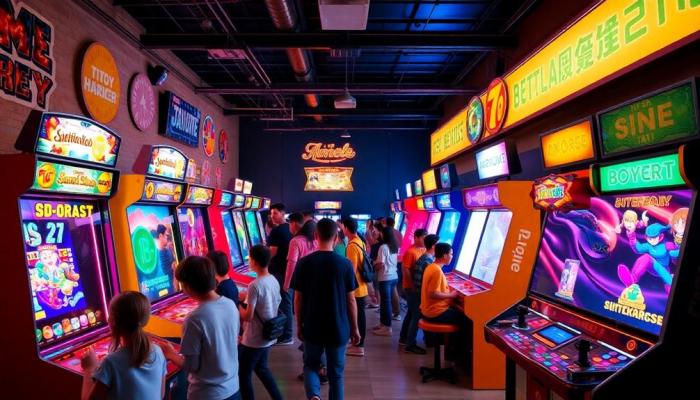
The nostalgia surrounding arcade games from the 80s and 90s taps deeply into the emotional reservoir of consumers. Many adults today grew up spending countless hours in dimly lit arcade halls, triumphing over pixelated challenges and competing with friends. This shared experience creates a bond that transcends generations, making arcade nostalgia a potent tool for marketers aiming to evoke feelings of joy, simplicity, and carefree youth.The elements of arcade aesthetics, such as vibrant colors, pixel art, and retro soundtracks, play a crucial role in influencing modern marketing strategies.
Marketers utilize these aesthetics to create immersive campaigns that resonate with the audience’s past experiences. The bright neon lights and 8-bit sounds not only attract attention but also forge emotional connections that can enhance brand loyalty. By integrating these nostalgic elements into product designs and advertising, brands can effectively recall those joyful moments associated with arcade gaming.
Successful Marketing Campaigns Leveraging Arcade Nostalgia
Several brands have successfully harnessed the power of arcade nostalgia in their marketing efforts. These campaigns often incorporate iconic visuals, sounds, and themes that recall the golden age of gaming, leading to impressive consumer engagement.One notable example is the launch of the PlayStation Classic, which featured beloved titles like “Final Fantasy VII” and “Tekken 3.” The campaign emphasized the nostalgia of playing these games in arcades and at home, appealing to both older gamers and a new generation interested in retro gaming.
The outcome was positive, with high sales figures highlighting the enduring appeal of classic gaming experiences.Another example is the collaboration between Nike and the popular game “Pac-Man.” Nike released a limited edition sneaker featuring designs inspired by the game’s iconic imagery. This collaboration not only attracted sneaker enthusiasts but also engaged fans of the classic arcade game, ultimately resulting in a successful product launch that sold out quickly.Additionally, the revival of classic arcade-themed bars has become a trend, with establishments like “Two Bit’s Retro Arcade” blending nostalgia with social interaction.
These venues often feature vintage arcade machines and serve themed cocktails, creating a unique experience that resonates with patrons looking to relive their childhood memories. The success of these bars demonstrates that nostalgia can drive not only product sales but also create vibrant community spaces.Incorporating these nostalgic elements allows brands to tap into emotions and create a lasting impact that drives engagement and fosters customer loyalty.
By understanding and leveraging the emotional connections associated with arcade games, marketers can craft compelling campaigns that resonate with audiences on a deeper level.
Integrating Classic Games into Modern Marketing
The integration of classic games into modern marketing strategies offers brands a unique opportunity to tap into the nostalgia of their audiences. By evoking memories of simpler times spent playing board games, card games, and arcade classics, companies can foster a deep emotional connection with consumers. This connection can be incredibly powerful in driving engagement and loyalty.Rebranding classic games has become an effective method for attracting nostalgic audiences.
Businesses have successfully revitalized board games and card games by updating their themes or incorporating modern elements while retaining their classic charm. This approach not only appeals to older generations who have fond memories of these games but also introduces them to younger audiences. For instance, games like Monopoly have seen various themed editions, including collaborations with popular franchises such as Star Wars and Fortnite, making them relatable and appealing to both nostalgic adults and new players.
Rebranding Classic Games
Rebranding classic games involves a thoughtful process of modernization while preserving the essence that made them beloved. Here are some effective strategies for rebranding and marketing classic games:
- Themed Editions: Creating special editions of classic board games featuring popular culture references engages both nostalgic and contemporary audiences. For example, the “Friends” version of Monopoly allows fans of the series to enjoy the game while reminiscing about iconic moments from the show.
- Enhanced Gameplay: Integrating technology into traditional gameplay can attract a younger demographic. For example, digital versions of card games like Uno, with added features like online multiplayer and enhanced graphics, make the game more appealing in a tech-savvy market.
- Limited-Edition Releases: The nostalgia factor can be heightened through limited-edition releases, encouraging collectors to purchase and engage with the brand. Companies like Hasbro have successfully launched nostalgic versions of games like Jenga and Clue, creating excitement among fans.
In addition to rebranding, incorporating retro arcade and coin-op themes into promotional materials is another effective strategy. This approach effectively conjures up the atmosphere of classic arcades, allowing brands to take advantage of the current trend of retro gaming.
Incorporating Retro Arcade Themes
Utilizing retro arcade themes can be a fun and engaging way to promote products or services. Here are some methods to achieve this:
- Visual Design: Using pixel art and retro color palettes in advertisements and packaging can evoke feelings of nostalgia. Brands like Coca-Cola have embraced this aesthetic in their marketing campaigns, drawing on 8-bit styles that resonate with those familiar with retro gaming.
- Gamified Experiences: Creating gamified experiences, such as arcade-style loyalty programs, can incentivize customer engagement. For instance, brands can implement a “high score” system where customers earn points for purchases, mirroring arcade gameplay.
- Themed Events: Hosting events themed around classic arcade games can draw in nostalgic audiences. For example, a local arcade may host a tournament for games like Pac-Man, creating an immersive experience that encourages community participation and brand loyalty.
Finally, creating events or experiences that blend online games with arcade nostalgia can significantly enhance engagement. This approach not only engages audiences but also creates memorable experiences that foster a deeper connection with the brand.
Creating Nostalgic Experiences
Crafting experiences that combine online gaming with arcade nostalgia involves blending various elements of both worlds. Here’s how brands can effectively create such experiences:
- Virtual Tournaments: Organizing virtual tournaments that feature classic arcade games gives participants the chance to compete while feeling nostalgic. Brands like Twitch have successfully hosted events where players compete in retro games, appealing to both new and older generations.
- Interactive Online Platforms: Developing platforms that allow users to play classic arcade games online can revive the nostalgic feeling associated with these games. For example, websites that specialize in retro gaming often feature a mix of classic arcade games that can be played for free, encouraging participation.
- Social Media Campaigns: Engaging audiences through social media challenges centered around classic arcade themes can amplify reach. Brands can encourage users to share their high scores or experiences with retro games, fostering a sense of community and nostalgia.
The Role of Gaming Culture in Nostalgic Marketing
Gaming culture has evolved into a significant force in marketing, particularly when it comes to evoking nostalgia. Consumers who grew up with video games often carry fond memories of their experiences, which brands tap into to create emotional connections and enhance consumer engagement. By integrating elements from beloved games into their marketing strategies, brands can resonate with audiences on a personal level, driving loyalty and increasing the likelihood of purchases.The impact of gaming culture on consumer behavior is evident as nostalgia becomes a powerful motivator in purchasing decisions.
Games from the past provide a shared reference point, allowing brands to create campaigns that not only attract attention but also invoke a sense of belonging among consumers. This connection can be particularly effective in fostering brand loyalty, as consumers are more likely to support brands that remind them of their cherished gaming experiences.
Impact of Roleplaying and Video Games on Consumer Behavior
Roleplaying games (RPGs) and traditional video games significantly influence consumer behavior through immersive storytelling and character development. Players often form deep attachments to characters and worlds, which can translate into brand loyalty when similar narratives are utilized in marketing. Brands that harness these elements can effectively engage consumers who have nostalgic ties to specific gaming experiences.Many brands have successfully integrated RPG elements to enhance their marketing strategies.
For example, the use of character-driven narratives or quests in advertising campaigns can evoke feelings of nostalgia. By connecting their products with the emotional resonance of favorite gaming experiences, brands create a compelling reason for consumers to engage with their offerings.
Influence of Other Games on Brand Loyalty through Nostalgic Elements
Various gaming genres influence brand loyalty through nostalgic elements that resonate with consumers. By drawing on the experiences and emotions tied to specific games, brands can communicate their values and create deeper connections with their audience. To illustrate different gaming genres and their effectiveness in evoking nostalgia, the following table highlights how various types of games can be leveraged in nostalgic marketing strategies:
| Gaming Genre | Nostalgic Element | Effectiveness |
|---|---|---|
| Platformers | Classic characters and simple mechanics | High – Familiarity with iconic characters leads to instant recognition. |
| Roleplaying Games (RPGs) | Heroic journeys and character development | Very High – Players often form emotional connections with characters. |
| First-Person Shooters (FPS) | Intense gameplay and competitive spirit | Moderate – Has a loyal fan base, but may require more context in marketing. |
| Simulation Games | Real-life scenarios and progression | High – Appeals to nostalgia through relatable experiences. |
| Puzzle Games | Simple mechanics and addictive gameplay | Moderate – Evokes nostalgia through gameplay familiarity. |
The use of nostalgic elements in gaming can significantly enhance brand loyalty, as these emotional connections create a lasting impact on consumers. By tapping into the rich tapestry of gaming culture, brands can effectively communicate their messages and bolster loyalty among consumers who cherish their gaming past.
Closing Notes
In conclusion, arcade nostalgia marketing serves as a bridge between the past and present, allowing brands to foster deeper connections with their customers. By harnessing the power of nostalgia, businesses can not only enhance their marketing strategies but also create memorable experiences that resonate long after the campaign ends. This unique blend of history and modernity ensures that arcade nostalgia remains a vibrant part of the marketing landscape.
General Inquiries
What is arcade nostalgia marketing?
Arcade nostalgia marketing involves leveraging the emotional connections consumers have with retro arcade games to enhance brand engagement and loyalty.
How can brands incorporate arcade aesthetics?
Brands can use visual elements like pixel art, neon colors, and retro fonts, along with arcade-themed events or promotions, to evoke nostalgia.
What types of campaigns have been successful in this area?
Successful campaigns often feature classic arcade games, retro-themed merchandise, or events that celebrate gaming culture, creating a unique and engaging experience.
How does gaming culture affect marketing strategies?
Gaming culture shapes consumer expectations and preferences, influencing how brands connect with audiences through shared experiences and nostalgia.
Can modern games also evoke nostalgia?
Yes, modern games can incorporate elements from classic arcade games, bridging the gap between past and present to evoke nostalgic feelings among players.