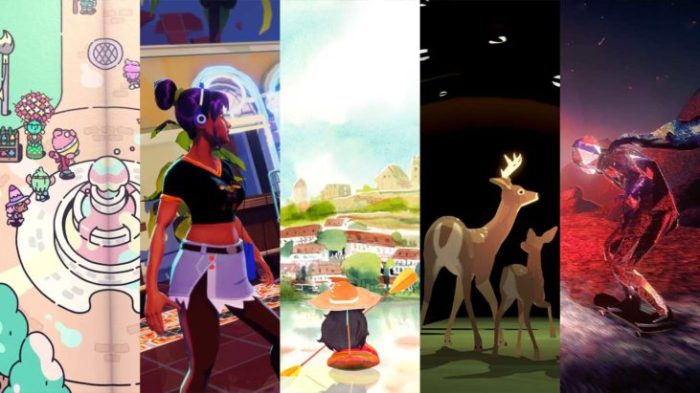
Indie game releases 2025 are poised to shake up the gaming landscape with a lineup of innovative titles that promise to captivate players. As developers push creative boundaries, a wave of unique gameplay experiences and compelling narratives is on the horizon.
This year showcases not only the most anticipated indie games but also the emergence of new genres and trends that reflect shifting player preferences, paving the way for a vibrant indie gaming scene.
Upcoming Indie Game Releases in 2025
The indie game scene is blossoming in 2025, with an array of innovative titles set to capture the hearts of gamers worldwide. As developers push creative boundaries, we can expect a diverse range of gameplay experiences that challenge conventional norms and offer fresh narratives. This year promises to be a significant one for indie games, showcasing unique storytelling, artistic styles, and gameplay mechanics that stand out in an ever-evolving industry.As the landscape of indie gaming evolves, several trends are emerging that will influence the types of games we see this year.
From the integration of AI-driven narratives to a focus on environmental storytelling, indie developers are embracing new technologies and storytelling techniques. The appeal of nostalgic aesthetics combined with modern gameplay experiences is also gaining traction, catering to both retro enthusiasts and new players.
Most Anticipated Indie Games of 2025
Several indie titles have generated buzz ahead of their 2025 releases, each bringing something special to the table. Here’s a look at some of the most anticipated ones:
- Celestial Echo: This action-adventure game combines platforming with a rich narrative that adapts based on player choices. Utilizing procedurally generated levels, it offers a unique experience with each playthrough, encouraging exploration and creativity.
- Dreamweaver: A visually stunning puzzle game that uses a hand-painted art style. Players manipulate dreams to solve challenges, with a focus on emotional storytelling that explores themes of loss and memory.
- Shadow of the Forest: This survival horror title integrates psychological elements with an immersive environment. Players must navigate a mysterious forest filled with secrets and threats while managing their sanity, creating a tension-filled atmosphere.
- Starlit Sanctuary: This cozy farming simulator allows players to build and manage their own cosmic garden. Featuring adorable characters and enchanting graphics, it emphasizes relaxation and creativity, appealing to fans of the genre.
- Quantum Drift: An innovative space exploration game that blends roguelike elements with strategic gameplay. Players pilot customizable ships through procedurally generated galaxies, encountering various alien civilizations and engaging in dynamic combat.
“Indie games in 2025 are not just about gameplay; they are about experiences that resonate on a personal level.”
The trends shaping the indie game landscape in 2025 highlight a growing emphasis on community engagement and player feedback. Many developers are leaning into early access models, allowing players to contribute to the evolution of their games from the ground up. Additionally, the fusion of genres is becoming more prevalent, as developers blend elements from different gameplay styles to create unique, hybrid experiences.
This willingness to experiment showcases the indie scene’s commitment to innovation and creativity, making 2025 a year to watch for gaming enthusiasts.
Emerging Genres in Indie Games
The indie gaming landscape is ever-evolving, with developers constantly seeking to push boundaries and explore new ideas. As player preferences shift and technology advances, a number of emerging genres are gaining traction among indie developers. These genres not only enhance creativity within the gaming community but also provide unique experiences that cater to diverse player interests. One significant trend is the rise of narrative-driven indie games that blend elements from various genres, creating experiences that are both immersive and deeply personal.
This has paved the way for genres like “interactive storytelling” and “emotional simulation,” which focus on player choices and emotional engagement rather than traditional gameplay mechanics.
Comparison of Traditional vs. Emerging Genres in the Indie Scene
The indie gaming scene can be broadly categorized into traditional and emerging genres, each offering distinct gameplay styles and player experiences. Traditional genres, such as platformers, roguelikes, and puzzle games, have long been the foundation of indie development. Emerging genres, however, are capturing the attention of players who seek innovative storytelling and gameplay mechanics.The following table illustrates the characteristics and differences between traditional and emerging genres in indie games:
| Aspect | Traditional Genres | Emerging Genres |
|---|---|---|
| Gameplay Focus | Mechanics and Challenge | Narrative and Emotional Engagement |
| Player Interaction | Skill-based | Choice-based |
| Art Style | Pixel Art, 2D | Unique, Experimental Designs |
| Examples | Celeste, Hollow Knight | Life is Strange, What Remains of Edith Finch |
Emerging genres emphasize narrative depth and emotional resonance, which resonates with a growing audience seeking more than just gameplay. This shift has led to the popularity of games that focus on storytelling elements and player choices, as seen in titles like “Disco Elysium” and “Spiritfarer.”
Influence of Player Preferences on Genre Evolution in Indie Games
Player preferences have a significant impact on the evolution of indie game genres. As gamers become more invested in immersive storytelling and character-driven narratives, developers are responding with innovative gameplay experiences that prioritize these elements. The following points highlight how player preferences shape genre evolution in indie games:
- Demand for Storytelling: Players increasingly favor games that offer rich narratives and character development, leading to a rise in narrative-driven genres.
- Experimentation with Gameplay: Indie developers are encouraged by player feedback to experiment with gameplay mechanics, resulting in hybrid genres that blend gameplay styles.
- Focus on Emotional Impact: Games that evoke strong emotions are becoming more popular, prompting developers to create titles that resonate on a personal level.
- Community Engagement: Active player communities provide feedback that drives developers to innovate and create games that reflect current interests and societal themes.
This dynamic interaction between player preferences and indie game development is fostering a vibrant ecosystem of creativity and innovation, propelling emerging genres to the forefront of the gaming industry.
The Role of Community in Indie Game Development
The relationship between indie game developers and their communities is a pivotal aspect of modern game development. In recent years, the advent of social media and interactive platforms has allowed smaller studios to cultivate meaningful connections with their audience. This evolving dynamic has not only influenced game design but has also reshaped marketing strategies, making community engagement an essential part of the development process.Community-driven indie games have seen remarkable success by leveraging player feedback and fostering a sense of belonging among fans.
Titles such as “Hollow Knight” by Team Cherry and “Stardew Valley” by ConcernedApe exemplify how community involvement can lead to enhanced gameplay experiences and increased player loyalty. Both games thrived on feedback from early access players, which helped refine mechanics and polish content before full releases. The resulting success stories demonstrate that a strong community can significantly impact a game’s visibility and longevity.
Examples of Successful Community-Driven Indie Games
Community-driven development has produced several standout titles that exemplify the benefits of player engagement. The following games have successfully integrated community feedback into their development processes:
- Hollow Knight: Team Cherry utilized feedback from players during its early access phase to polish gameplay mechanics and enhance the overall experience.
- Stardew Valley: ConcernedApe actively engaged with players post-launch, incorporating their suggestions into updates, effectively creating a game that felt responsive to its community.
- Celeste: The developers made extensive use of community input to adjust difficulty levels and add accessibility features, fostering a welcoming environment for all players.
To effectively foster player engagement during the development process, developers can employ several methods that create a feedback loop and build community investment. Regular updates that share progress, hosting Q&A sessions, and involving players in beta testing are all effective strategies. Engaging communities through platforms such as Discord, forums, or social media encourages active participation and a sense of ownership over the game’s development.
Methods for Fostering Player Engagement
Developers have various strategies to enhance engagement with their audience, making players feel valued and heard throughout the development cycle. These methods promote a collaborative approach to game creation:
- Regular Updates: Consistent communication about development milestones and upcoming features keeps players informed and excited.
- Beta Testing: Inviting community members to test pre-release builds allows developers to gather crucial feedback and create a sense of investment in the final product.
- Surveys and Polls: Gathering opinions via surveys helps developers understand player preferences and make informed design decisions.
- Community Events: Hosting online events such as game jams or contests can foster creativity and strengthen community bonds.
Platforms for Indie Developers to Connect with Their Audience
Various platforms facilitate connections between indie developers and their communities, allowing for direct interaction and feedback. The table below Artikels some of the most influential platforms:
| Platform | Description |
|---|---|
| Discord | A platform for real-time communication, allowing developers to create dedicated servers for their games, fostering community discussion and feedback. |
| Steam | Steam’s community features enable developers to engage with players through forums, updates, and community tools such as guides and user reviews. |
| Subreddits dedicated to game development and specific games allow developers to share progress, solicit feedback, and engage with passionate fans. | |
| Twitter serves as a quick communication tool where developers can share updates, engage with players, and promote their projects. | |
| Kickstarter | This crowdfunding platform allows developers to gain financial support while simultaneously building a community of backers who are invested in the game’s success. |
Related Game Formats and Their Influence on Indie Releases

The landscape of indie gaming is continually evolving, drawing inspiration from a variety of game formats. These influences not only diversify gameplay but also introduce innovative mechanics that can redefine player experiences. Board games, card games, and arcade classics are prime examples of formats that have inspired indie developers to push the boundaries of creativity and engagement.
Board Games Inspiring Innovative Mechanics
Board games have made a significant impact on indie video game design, offering unique mechanics that enrich gameplay. The structured yet flexible nature of board games fosters strategic thinking, co-op play, and narrative development. Indie games such as “Betrayal at House on the Hill” and “Gloomhaven” have influenced titles like “Monster Sanctuary” and “Unholy Heights”, integrating elements like modular board designs and player-driven narratives.
These mechanics encourage players to explore various strategies, often leading to different outcomes with each playthrough.
Key features derived from board games include:
- Modular Gameplay: Games like “Slay the Spire” utilize randomized levels that change with each session, similar to modular board layouts.
- Player Interaction: Titles such as “Among Us” emphasize social deduction, reminiscent of classic board games like “Werewolf”.
- Resource Management: Many indie games incorporate mechanics where players must manage limited resources strategically, a concept prevalent in board games.
Successful Transitions of Card Games to Digital Formats
The transition of card games to digital platforms has proven to be fruitful, with several titles successfully entering the indie gaming space. Digital card games have taken traditional mechanics and enhanced them with interactive elements and graphics, offering players a fresh experience. Notable examples include “Hearthstone” and “Slay the Spire,” which have captivated audiences by marrying card strategy with engaging narrative elements and dynamic gameplay.
Some influential aspects of these transitions are:
- Dynamic Card Abilities: Games utilize animated cards to showcase special abilities, enhancing immersion.
- Multiplayer Features: Online play introduces competitive elements, drawing in players from various backgrounds.
- Deck-Building Mechanics: Many indie titles encourage players to create unique decks, fostering creativity and personalization.
Impact of Arcade and Coin-Op Games on Indie Design Choices
Arcade and coin-op games have left a lasting mark on the indie development scene, inspiring a resurgence in retro-style gameplay and design. Many indie developers are revisiting the simplicity and addictive nature of arcade games, creating titles that prioritize quick play sessions and immediate gratification. This retro revival often marries nostalgia with modern gameplay mechanics, resulting in innovative experiences.
Key influences from arcade games on indie design include:
- Short Gameplay Loops: Indie games often feature bite-sized levels designed for quick play, reminiscent of classic arcade structures.
- High Score Systems: Many indie games integrate leaderboard features, creating competitive environments similar to traditional arcade setups.
- Pixel Art Aesthetics: The visual style of pixel art is widely adopted, appealing to the nostalgia of players while also being cost-effective for developers.
Last Word
In summary, the indie game releases of 2025 are set to redefine what players can expect from independent developers. With a mix of emerging genres, community-driven development, and cross-genre inspirations, this year is shaping up to be a landmark moment for indie games, offering something fresh and exciting for every gamer.
Essential FAQs
What are some of the most anticipated indie games in 2025?
Some of the most anticipated indie games include titles that incorporate unique mechanics and storytelling elements, promising fresh experiences for players.
How do indie games influence mainstream gaming?
Indie games often introduce innovative ideas and mechanics, which can inspire larger studios to adopt similar concepts in mainstream titles.
What genres are gaining popularity in the indie scene?
Emerging genres such as narrative-driven experiences and hybrid gameplay styles are becoming increasingly popular among indie developers.
How important is community feedback for indie game development?
Community feedback is crucial as it helps developers gauge player preferences and make adjustments that enhance the overall gaming experience.
What platforms are best for indie developers to engage with their audience?
Platforms like Discord, social media, and Steam provide excellent avenues for indie developers to connect and interact with their player base.